
Between Change,
Hope and Collapse

The Film

Between Change, Hope, and Collapse – Afghanistan’s Media Through Two Decades (2001–2021)

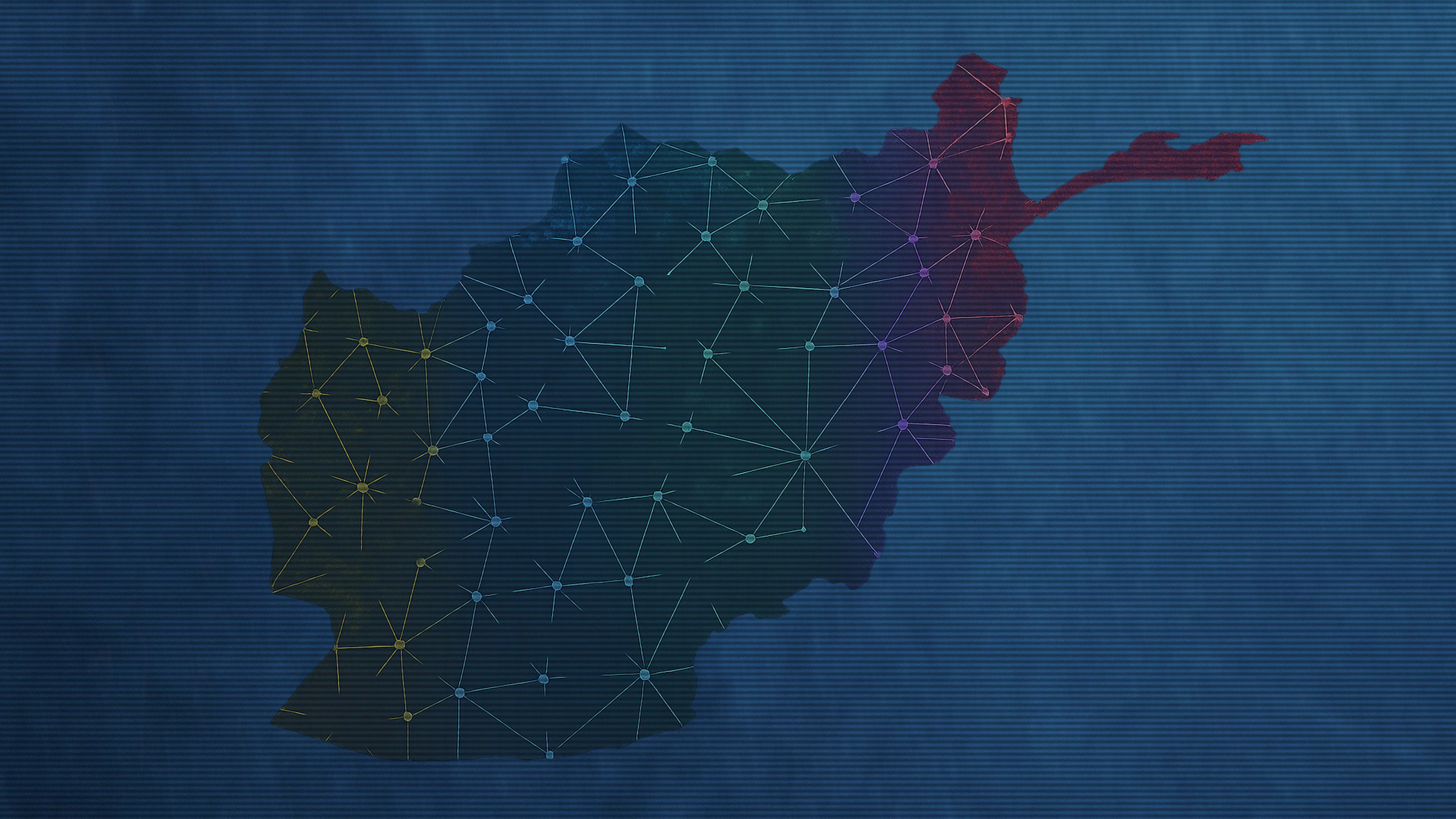
The Story: Between Change, Hope, and Collapse tells the story of Afghanistan’s media over two tumultuous decades. In these years, the country emerged as a rare global example of transformation. Its media played a central role in that change. From its rapid rise after 2001 to a period of unprecedented openness and its abrupt collapse in 2021, this development closely mirrored Afghanistan’s own volatile path. Too often, global discussions about this period have unfolded without Afghanistan voices, reducing complex realities to external interpretations. This documentary offers an insider’s view that captures the lived experience directly from those who lived it and explores the lessons it holds for Afghanistan and other nations undergoing profound change.

This 60-minute documentary takes viewers on a journey from the hopeful beginnings in 2001 to the collapse in 2021, tracing the evolution of a media landscape shaped by both promise and fragility. Emerging from decades of conflict, the early years of Afghanistan’s media were marked by unprecedented openness. Fueled by international aid and ambitious capacity-building initiatives, the media sector underwent significant professionalization and innovation, creating new public spheres that connected local realities with global narratives. Despite its rapid growth, inherent vulnerabilities persisted, and political upheavals soon unraveled many of these achievements, revealing the fragile foundations of media development in unstable contexts.

Through a blend of rigorous research, intimate first-hand accounts, and artistic storytelling, the film explores this dynamic interplay of progress and setback. It shows how media not only documented but actively shaped Afghanistan’s state-building and evolving identity. At the same time, the film raises urgent questions about the sustainability of international support in fragile environments and highlights the consequences that sudden upheavals have on these foundations. The documentary looks back on twenty years of international engagement and seeks to spark a shift in thinking about development cooperation in Afghanistan and beyond. Afghanistan’s experience serves both as a cautionary example and a valuable case study for other countries undergoing their own transitions.

Process behind the documentary

This documentary was created through a close collaboration between researchers, journalists, and filmmakers. It was developed at Leipzig University. The project is based on communication research and the experiences of reporters who worked in Afghanistan. Creative professionals translated these insights into images and stories. Facts, personal memories, and archival footage are woven together to form a clear narrative about media, war, exile, and everyday life.

The film goes beyond academic texts. It also incorporates perspectives from politics, civil society, and the media in Germany. These voices provide context and relate past events to current debates.


The six-step co-creative


1. From idea to project

The idea for this documentary emerged from the research project 'Media System and Public Sphere in Afghanistan', which was funded by the Volkswagen Foundation. The aim was to present the research results in a form that would make them accessible to a broader public, by providing a scientific overview, a journalistic reflection and a filmic narrative.

Based on this, Kefajat Hamidi developed an independent film project and submitted an additional funding application to the Foundation. The application was approved and concrete planning for the documentary began. Hamidi was responsible for the scientific conception, Abumoslem Khorasani for the journalistic perspective and Ghafar Faizyar for the narrative and cinematic realization.


2. Joint conception

The documentary took a co-creative approach from the outset. Rather than presenting a single perspective, the film was developed through dialogue between research, professional experience and storytelling. Scientific analysis, journalistic experience and cinematic expertise were therefore systematically brought together. Kefajat Hamidi and Abumoslem Khurasani discussed the project with journalists who had worked in Afghanistan for many years. These journalists contributed first-hand knowledge from their experience of editorial work, field reporting and war coverage and provided critical reflections on the research findings. Based on these discussions, the team developed a shared concept combining empirical insights, lived experience and visual narrative forms.


3. Opening up the project

This approach continued in the next phase of the project. Four workshops were held at the Research Center Communication for Social Change (C4SC) to further refine the concept. Participants included researchers, media professionals and civil society actors from Afghanistan now living in Germany, with a strong participation of women.

During the workshops, the concept was discussed, critically examined and further developed. Participants compared research findings with their own experiences and proposed additional perspectives and themes. Topics included press freedom, war reporting, international intervention, media economics and exile publics. Several interview ideas emerged directly from these discussions.

4. Selection of interview partners

The aim was to ensure a broad diversity of perspectives. The interviews were intended to highlight different social positions, rather than being limited to well-known voices.

People with a variety of roles and experiences were selected. These included academics, journalists, media experts, intellectuals and civil society activists. Around 35 people were approached and 13 agreed to participate. Most of those who refused to participate did so for security or scheduling reasons.


5. Conducting the interviews

The interviews took place in Germany and the US. Each conversation lasted between 30 minutes and four hours. Conversations were conducted openly, focusing on biographical experiences, editorial routines and perceptions of political change.

In total, around 50 hours of video material were recorded. The recordings contain personal life stories, insights into everyday editorial work and reflections on changes in the media system up to 2021.

6. Editing and completion

A 51-minute documentary was produced from the interview sequences and archive material. The film reconstructs the development of the media from 2001 to the Taliban's takeover in 2021, linking individual experiences with structural changes.

The 51-minute format is intended for European television stations and viewers with limited knowledge of the history of media in Afghanistan.


The documentary invites discussion. It is intended for students, media audiences, educational institutions, and the general public. The film encourages reflection on current challenges in Afghanistan and other fragile states.